Southeast Asia Market Entry
Organiser: ASTN supported by Austrade
Date: 19-22 May 2026Address: Singapore

Building on ASTN’s track record of delivering high-impact global missions, this program is ideal for export-ready companies seeking to deepen market understanding, build strategic connections, and unlock new commercial opportunities in Singapore and the broader Southeast Asian region.
This export activity is supported by the Australian Government as part of Austrade’s Accessing New Markets Initiative (ANMI).
Program Structure
Days 1–2: Market Entry Program (Facilitated by ASTN & Austrade)
Participants will undertake a series of curated activities designed to accelerate market understanding and establish key connections, including:
- Market briefings on Singapore and Southeast Asia landscape
- Presentations from Austrade’s regional team and in-market experts
- Insights from industry leaders, partners and local stakeholders
Days 3–4: GSIC APAC Summit 2026
Participants will attend the GSIC APAC Summit, a leading regional gathering of sport, technology and investment stakeholders.
The Summit brings together C-suite executives, sports organisations, startups, investors and innovators from across APAC and globally, and includes:
- Keynote presentations and panels from global leaders in sport and technology
- Interactive workshops and knowledge-sharing sessions
- Structured and informal networking opportunities with industry stakeholders
- Exposure to emerging trends, partnerships and investment opportunities
Day 1 Summary
Date: Tuesday, 19 May 2026
Location: Hawksford Offices, Hong Leong Building, Singapore
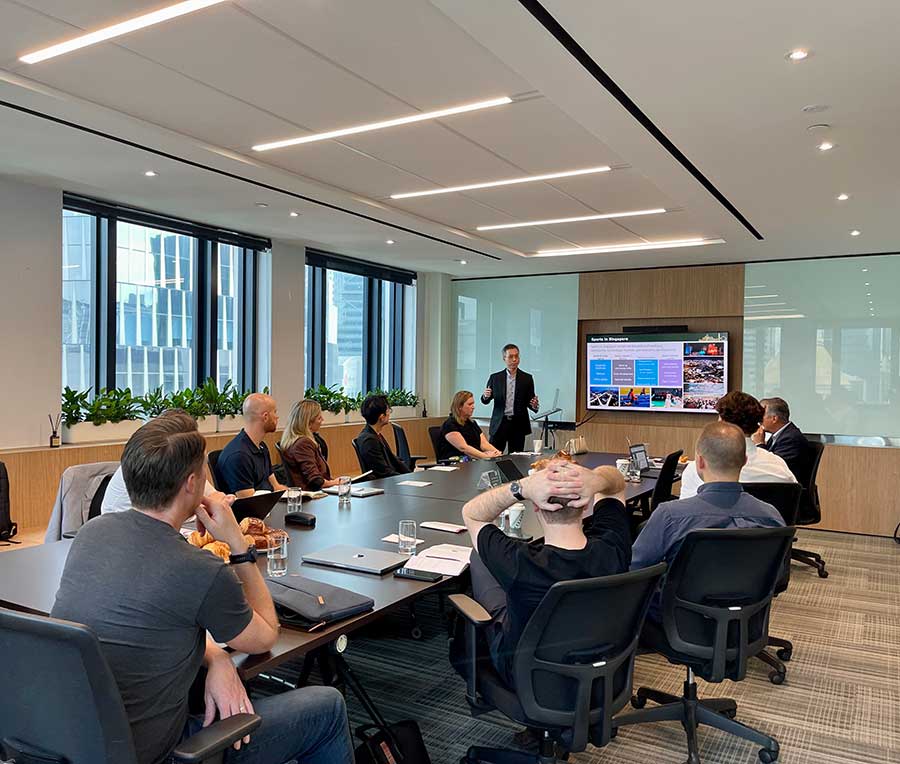
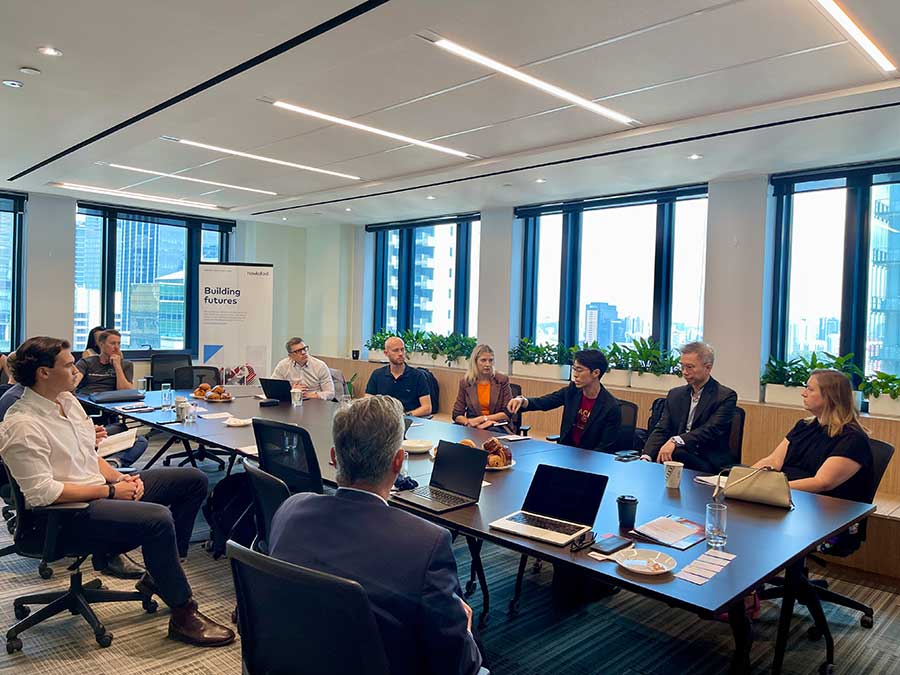
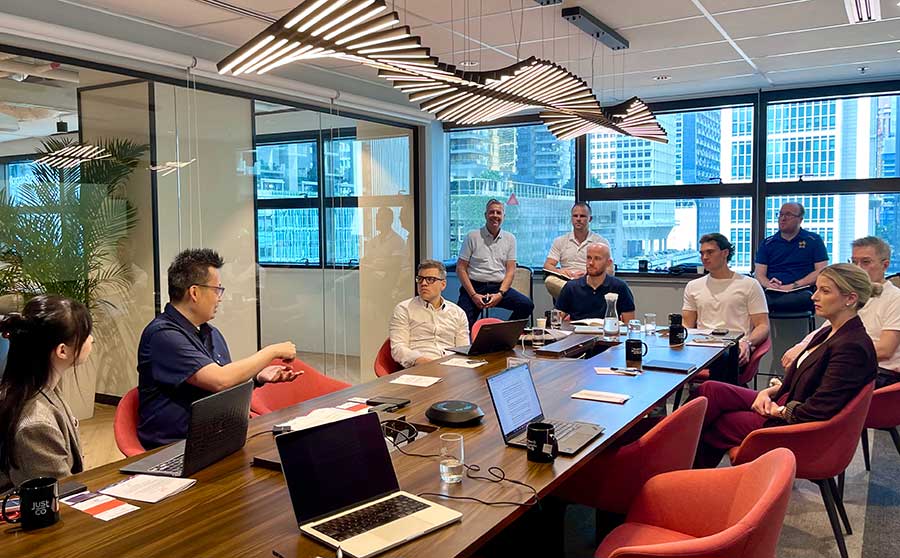
The first day of the program focused on providing delegates with a strategic and practical foundation for expanding into the Southeast Asian market, beginning with high-level briefings on the Singaporean business landscape and startup ecosystem.
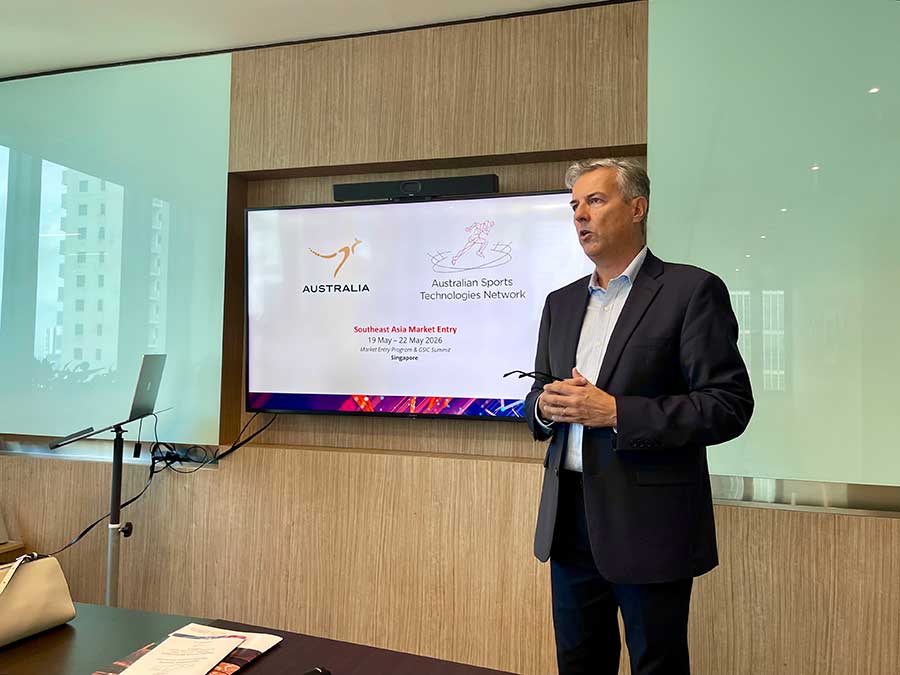
The program commenced with the arrival of delegates at the Hawksford offices. Dr Martin Schlegel, Executive Chair of the Australian Sports Technologies Network (ASTN), officially welcomed the cohort, setting the stage for a mission focused on the commercialisation and promotion of Australian-inspired sports technologies in international markets.
Singapore Market Overview (Austrade)
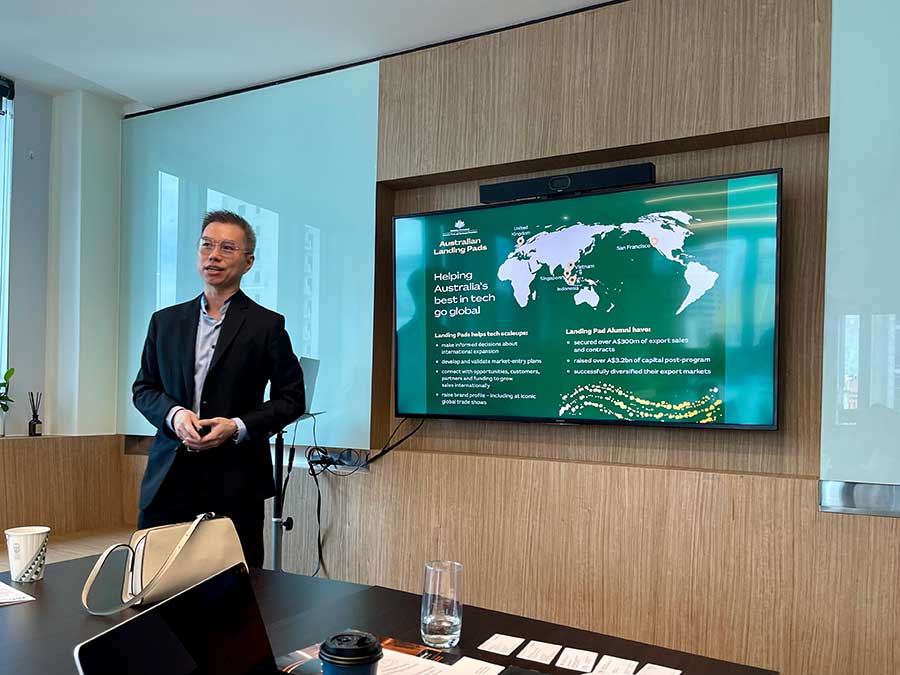
Amelia Walsh, Senior Trade and Investment Commissioner for Austrade and Allan Teo, Landing Pad Director provided a comprehensive briefing on Singapore's position as a global business hub.
Key insights included:
- Global Business Hub: Singapore hosts over 7,000 MNCs, of which 4,200+ are regional headquarters.
- A Regional Gateway: The small island country serves as a trading and trans-shipment hub for the region and beyond.
- Population & Economy: A population of 6.11 million (as of 2025) with the highest income nation status in Southeast Asia.
- Strong Sports Participation: Market data revealed that sports and exercise are central to Singaporean life, with 76% of population participating at least once a week as of 2025.
- Startup Ecosystem: Ranked 4th globally and 1st in Southeast Asia, the ecosystem features over 4,500 startups, 200+ incubators, and 500+ investors.
- Government Support: Walsh highlighted the role of Austrade Landing Pads in helping Australian tech scaleups make informed decisions about international expansion and connect with local customers and partners.
They also highlighted the Australia-Singapore relationship. The economic ties between the two nations are robust and are supported by Invested: Australia’s Southeast Asia Economic Strategy to 2040. They discussed sport in Singapore, noting that it comprises key pillars of wellness, community, technology, tourism, and economic development, and also introduced several key sports organisations in Singapore.
Enabling the Startup Ecosystem (ACE.SG)
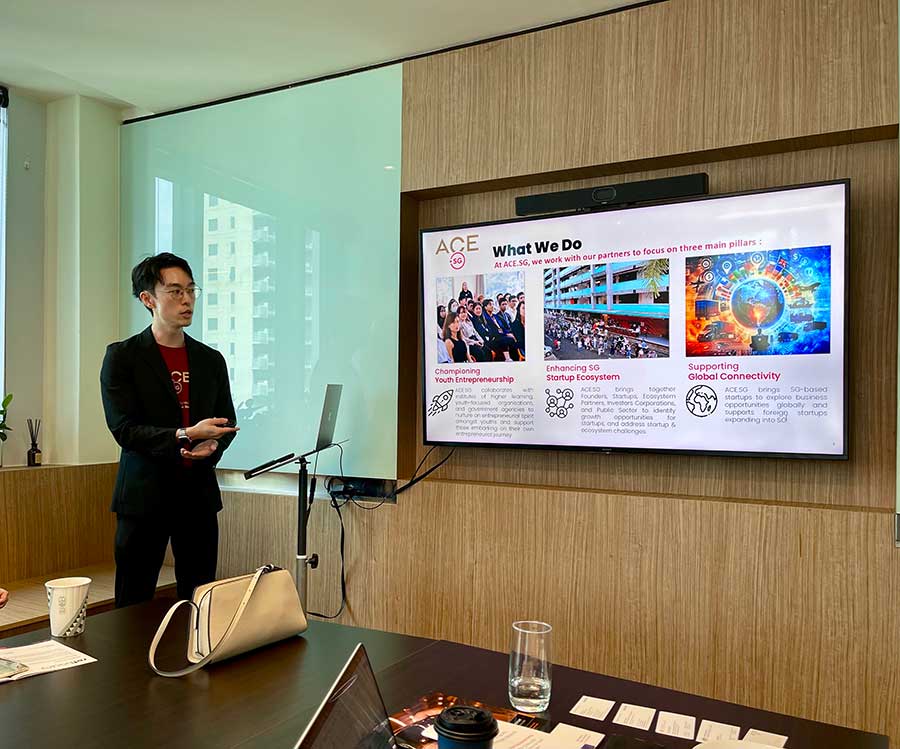
Chu Rong Chiu, Manager of Global Partnerships at ACE.SG, delivered an industry briefing on Singapore’s vibrant startup environment.
- National Trade Association: ACE.SG is the national trade association for startups in Singapore, originally established in 2003 by the Ministry of Trade and Industry and re-launched in 2014 as a private-sector-led, non-profit organization. Its primary missions are to advocate for the interests of startups, catalyse collaborations among ecosystem players, and enable the growth of startups.
- Singapore's Startup Ecosystem Today: Singapore is recognised as the largest tech and innovation hub in Southeast Asia, ranking 4th globally and 1st for talent competitiveness.
- Strategic Hub: The nation serves as a gateway to Asia, supported by a pro-enterprise environment, political stability, and a pool of large corporate regional headquarters.
- Stage One Initiative: Delegates were introduced to Stage One, a joint focal point managed by ACE.SG that supports foreign startups through immersion programs, incorporation advisory, and networking events like "Red Dot Café".
Establishing a Base for Regional Expansion (Hawksford)
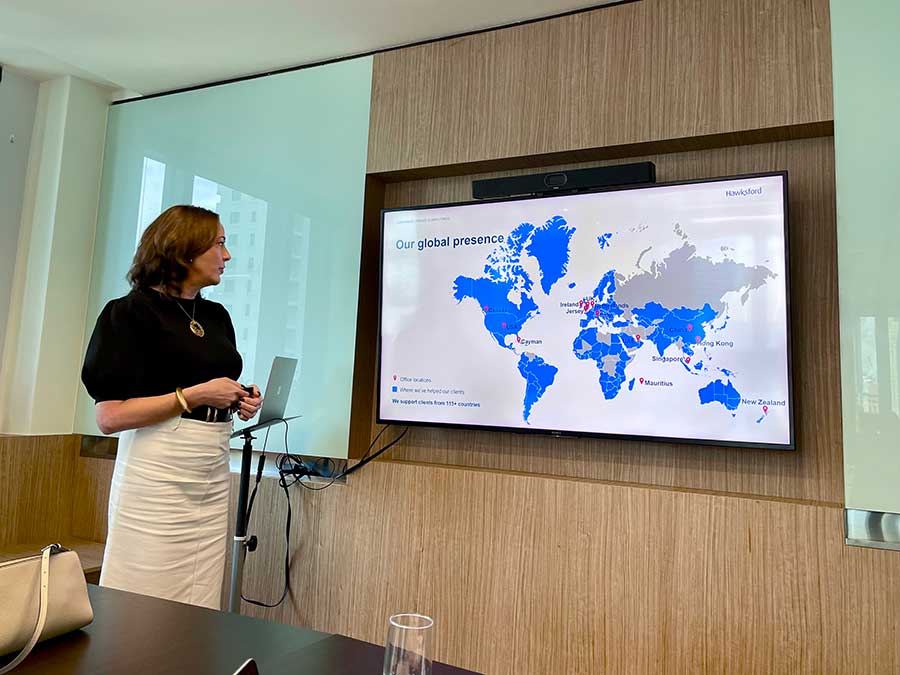
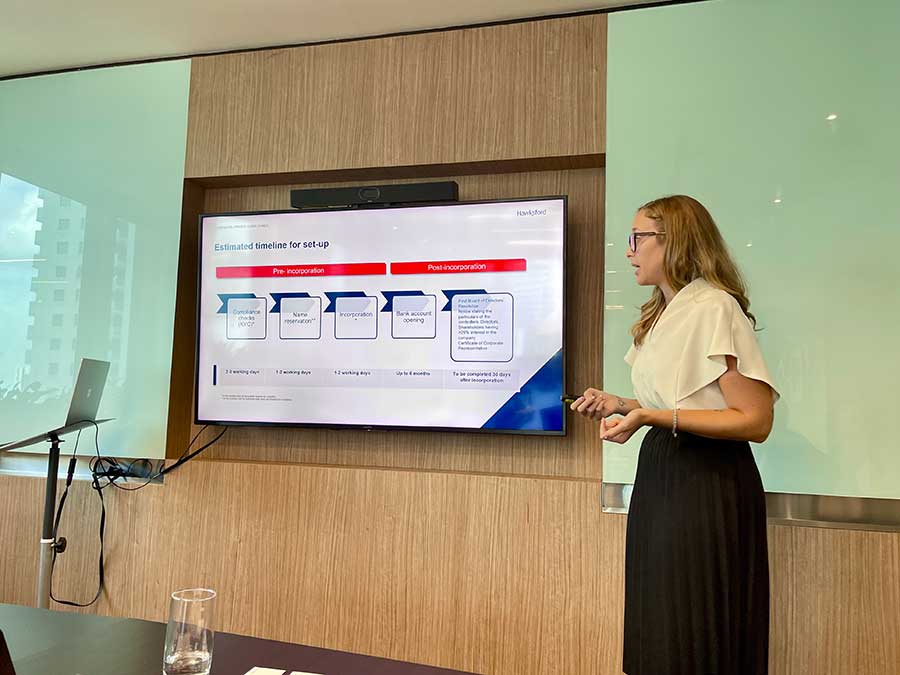
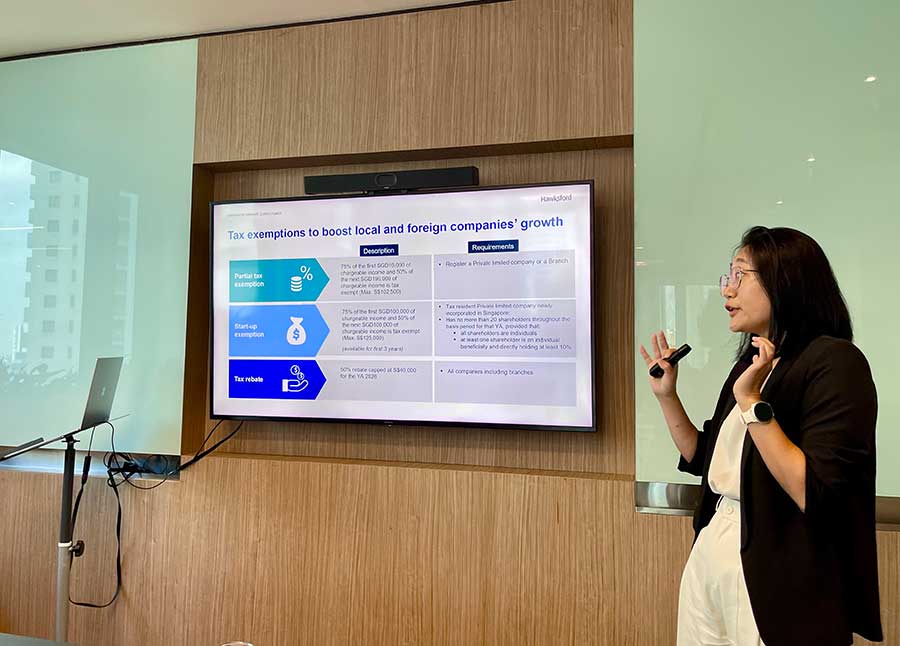
Sally-Ann Tinkler (Director of Accounting & Tax), Wen Yea Sia (Assistant Manager of Accounting & Tax) and Arianna Briccola (Administrator) detailed the practical steps and structural advantages of using Singapore as a launchpad for Southeast Asia.
They presented key insights across the following areas:
- Economic stability and 2026 growth outlook (2.0%-4.0%)
- Incentivised tax system (no capital gains tax, no dividend tax, double tax treaties)
- Singapore as a strategic gateway to Southeast Asia and China
- Market entry options (Private Limited Company, Branch, Representative Office)
- Company incorporation process and key setup steps
- Corporate taxation framework (17% CIT and exemptions)
- GST system (9% rate and registration threshold)
- Work pass and talent schemes (EP, Tech.Pass, EntrePass, ONE Pass)
Networking Lunch
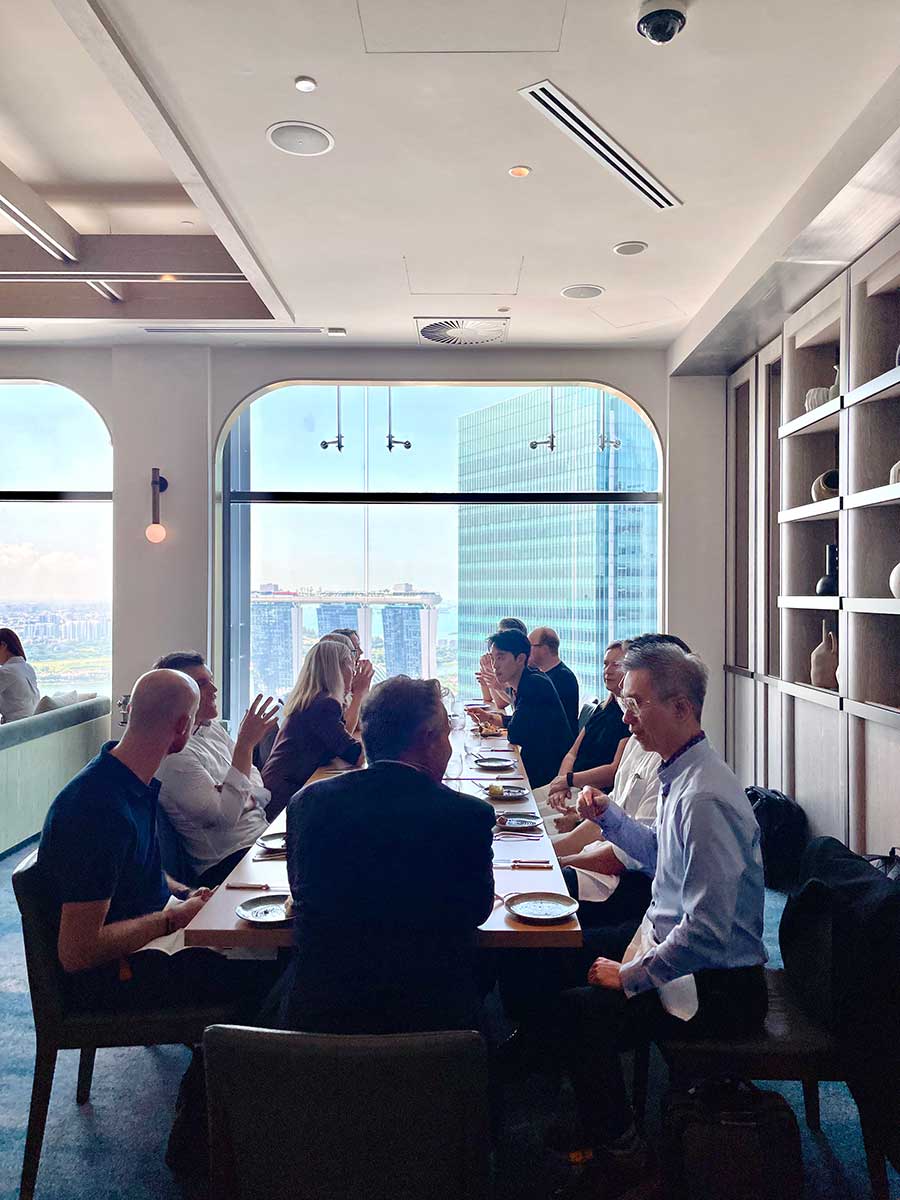
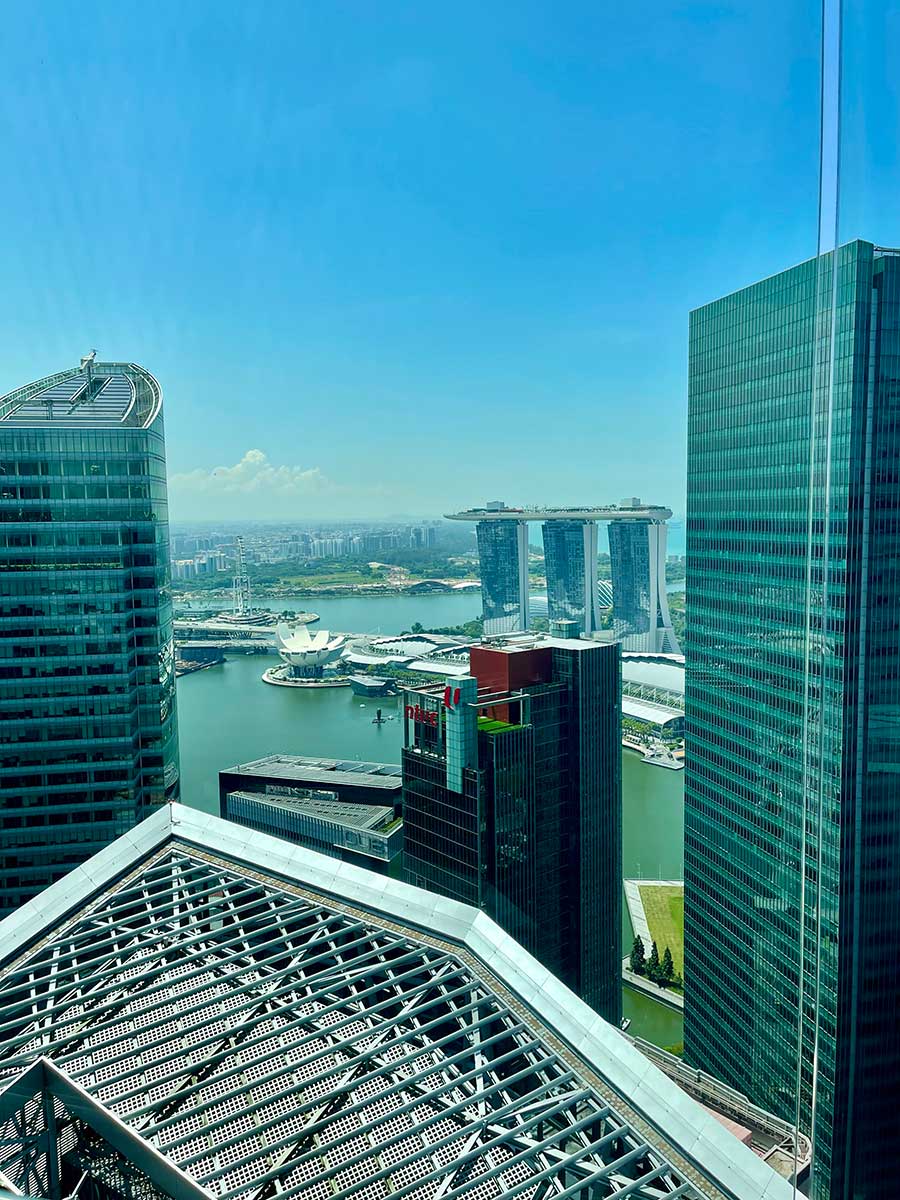
Delegates adjourned for a networking lunch, enjoying views overlooking the Marina Bay cityscape from 40 floors above ground at the top of CapitaGreen. This provided an opportunity to deep-dive into further conversations with the guest presenters to foster new partnerships.
Gallery


Day 2 Summary
Date: Wednesday, 20 May 2026
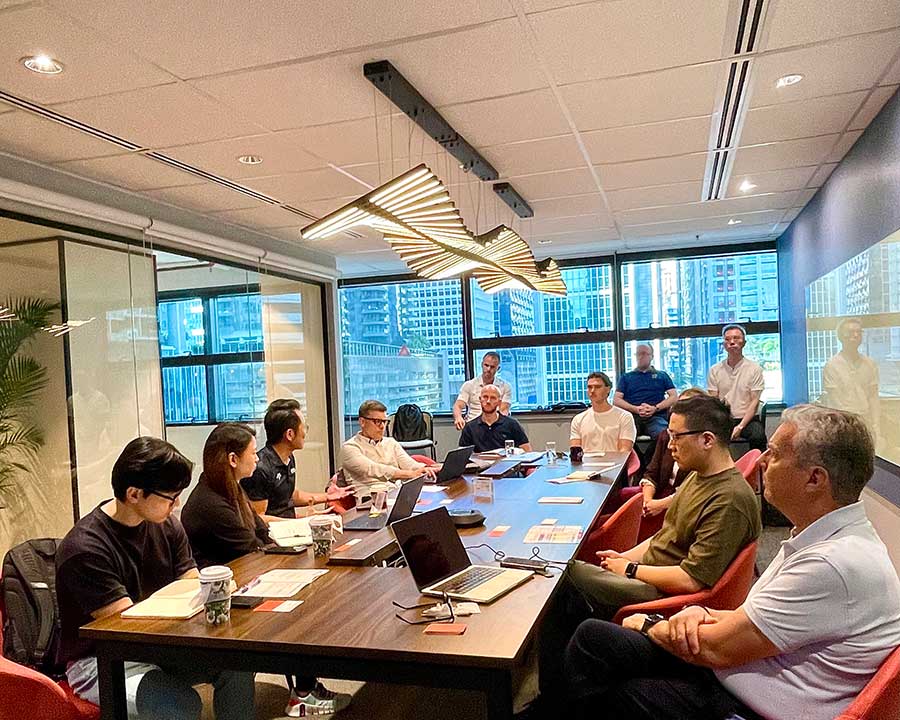
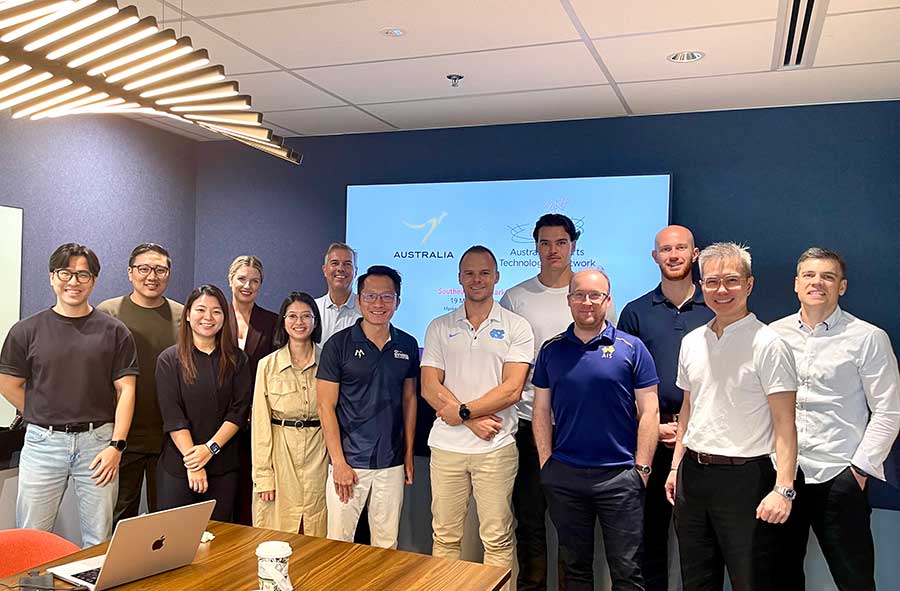
Location: JustCo, Hong Leong Building, Singapore
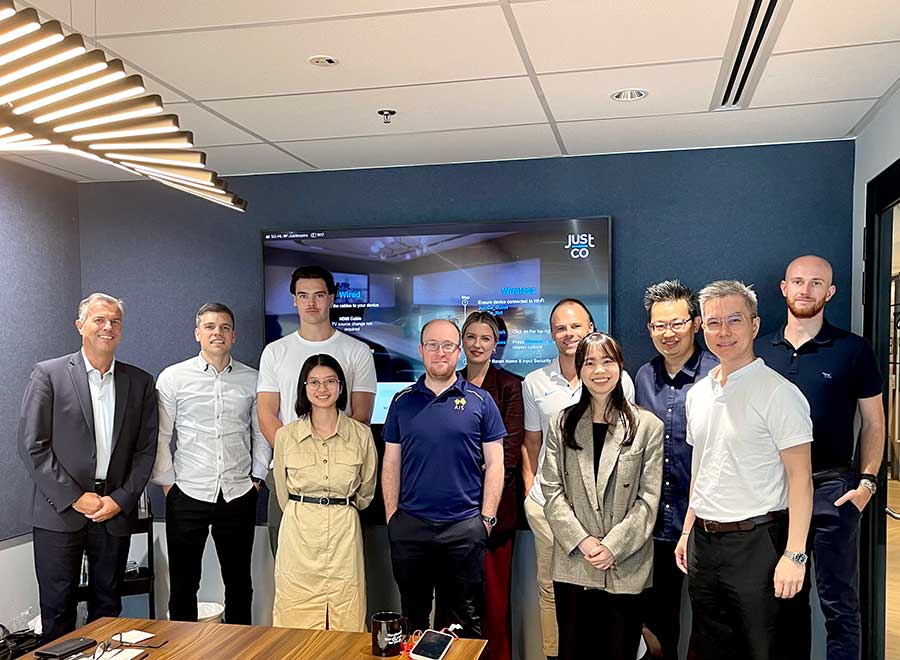
Day 2 of the program featured a series of industry briefings and market insights sessions, including Sport Singapore’s industry briefing, BlackStorm Consulting’s Go-to-Market Strategy for Southeast Asia, ASTN’s Export-Ready Playbook, and a founder-led session on Winning in Singapore: A Founder’s Perspective.
Sport Singapore Industry Briefing
Dean Tan, Deputy Chief (Industry Development Group) at Sport Singapore.
Dean outlined Singapore’s national sports strategy, which positions sport as a catalyst for social cohesion, community development, and national wellbeing. Sport Singapore focuses on ensuring that public sports facilities are accessible, inclusive, and highly utilised, while encouraging the private sector to provide complementary services and innovative solutions.
Given Singapore’s limited land area, the country places strong emphasis on flexible, multi-use infrastructure and long-term planning. Dean highlighted the importance of investing in technologies that not only solve current operational challenges but also anticipate future needs as participation trends, demographics, and urban environments evolve.
- Infrastructure and Space Optimisation: Singapore maximises the use of scarce land by designing facilities that can be rapidly adapted to different sports and user groups. Examples include temporary 3x3 basketball and pickleball courts, as well as table tennis installations integrated into transit hubs such as train stations. Community facilities currently operate largely on a first-come, first-served basis, and Sport Singapore is seeking technologies that enable faster turnover between activities.
- School and Community Access: Approximately 150 schools participate in programs that open their sports facilities to the public during weekends and after school hours. These venues must be converted efficiently overnight and restored for school use the following day, creating opportunities for streamlined facility management and automation.
- Participation and Lifelong Activity: A key objective is to encourage Singaporeans to remain physically active throughout life, particularly after leaving school and university. Initiatives include annual running programs for children and strong support for team sports, which are valued for their social and community benefits.
- Data-Driven Planning: Sport Singapore uses the National Sport & Exercise Participation Survey (NSPS) to monitor participation trends and identify emerging sports such as endurance events, basketball, and pickleball. These insights inform decisions about facility development and investment priorities.
- Major Events and Tourism: Large-scale participation events, including triathlons and marathons, are recognised for their contribution to tourism, international visibility, and community engagement, while also presenting logistical challenges such as road closures and temporary infrastructure management. The T100 Triathlon World Tour was cited as a strong example of an event delivering sporting, economic, and social outcomes beyond the event and visitor economy.
- Spectator Experience and Crowd Management: Singapore is exploring technologies to improve operations at major venues such as the 53,000-seat Singapore National Stadium. Priority areas include stadium utilisation, queue and crowd-flow management, wayfinding, and encouraging spectators to use public transport instead of private vehicles.
- Talent Development: The National School Games serve as the major pathway for identifying young talent and connecting athletes to National Sports Associations (NSAs) and elite development programs.
- Sports Clubs and Private Sector Participation: Many sports clubs operate on annual membership models and lease government land, which must be renewed through competitive tender processes. More broadly, the private sector is encouraged to contribute innovation and specialised services, while the public sector maintains a focus on accessibility, affordability, and social impact.
Go-to-Market Strategy for Southeast Asia (BlackStorm Consulting)
Jeslin Bay (Group CEO) and Paddy Tan (Managing Partner) at BlackStorm Consulting delivered a deep dive into the practicalities of regional expansion. Their presentation challenged generic "SEA expansion" assumptions with several reality checks:
- The Power of Focus: Instead of broad expansion, founders should target one country, specific segments, and clear use cases, as depth beats breadth in this region.
- Culture over Strategy: In relationship-first markets like Thailand, Indonesia, and Vietnam, trust is more important than speed, and warm introductions are far more effective than cold outreach.
- Market Nuances: While the region has a total population of 612 million, revenue concentration is not evenly distributed, and total market size does not translate to immediate revenue.
- Singapore as a Credibility Hub: Using Singapore as a "Proof of Credibility" is essential; pilots and government collaborations here serve as the strongest references when scaling into the rest of the region.
- Strategic Trends: Expansion should align with structural trends such as the "Silver Wave" (the rapidly ageing populations in Singapore and Thailand) and the gym penetration gap in Indonesia, where digital solutions can bypass the lack of physical infrastructure.
Networking Lunch
Delegates attended a networking lunch at CALI Raffles Place Restaurant. This session provided an informal environment to discuss the morning’s sessions and explore potential collaborative opportunities within the cohort.
The ASTN Export-Ready Playbook
Dr. Martin Schlegel (ASTN Executive Chair) detailed the "Born Global, Thrive Local" philosophy that underpins the program. This strategic framework is built on over a decade of industry learnings and emphasizes the following:
- Global from Day 1: Because the Australian sports market is small startups are encouraged to set their sight on global markets.
- Lean Launchpad Methodology: The Playbook utilizes the Business Model Canvas, Customer Discovery, and Agile Methodoligies to ensure product-market fit.
- The 10-Step Guide: Delegates were guided through a step-by-step process, starting with building an MVP in Australia's sophisticated market, business model design and identifying cornerstone customers supported by collaboration and networking.
- Crossing the Chasm: To successfully enter a new market, startups should target a specific niche for entry before moving to the early majority of customers.
Winning in Singapore: A Founder’s Perspective
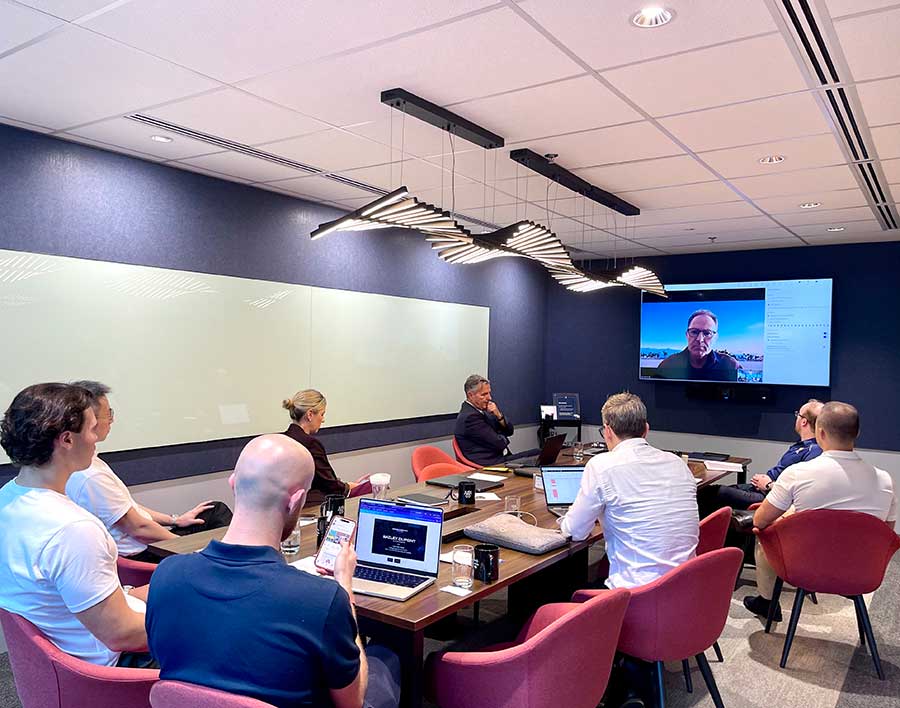
Iggy Jovanovic (Founder and CEO) at Gerford AI shared a compelling case study of how an Australian sports technology company successfully expanded into Singapore and broader international markets, demonstrating the commercial potential for Australian sportstech businesses in Southeast Asia.
Gerford AI is an AI-as-a-Service (AIaaS) company founded in 2021. The company specialises in computer vision technology that delivers real-time tracking and performance analytics using a single camera, primarily targeting Tier 2 and Tier 3 sports.
Gerford AI’s story began when Iggy participated in the Australian Sports Technologies Network (ASTN) pre-accelerator and accelerator programs in 2020. He described the early years as a period of relentless effort, experimentation, and resilience, with “no days off” as the company worked to secure customers, investment, and product-market fit.
The journey involved both successes and setbacks, including unsuccessful pitches to venture capital investors and failed contract opportunities. However, these challenges helped refine the company’s strategy and sharpen its focus. A major breakthrough came following the Paris 2024 Olympics, when Gerford AI acquired more than 300 new clients and significantly accelerated its growth.
The company is built on a lean but globally distributed team, with 10 full-time staff and 18 contractors, and offices in Melbourne, Sydney, and London. Today, Gerford AI serves more than 400 customers worldwide and processes over 1 billion data points per month. Its revenue base is highly international, with approximately 73% generated across Asia (including Japan, South Korea, China, and Singapore) and Europe (France, Switzerland, UK).
Impact in Elite Sport
Gerford AI works with some of the world’s leading athletes and sporting organisations, providing advanced analytics that have contributed to significant competitive outcomes at the highest level of sport. To date, the company’s technology has been associated with 29 Olympic medals, including 9 gold medals, 12 world titles, and 4 world records.
In addition, its performance analytics have contributed to more than US$2 million in athlete bonus payments following Olympic success. The company’s platform supports elite athletes by delivering remote, real-time AI-driven insights designed to enhance performance at the top 1% level of global sport.
Growth Journey Through Major Global Events
Gerford AI has used major international sporting events as key milestones for product development, validation, and market expansion. One of Gerford AI’s most significant achievements is its partnership with Singapore-based World Table Tennis.
In 2021, World Table Tennis lacked automated data systems and was seeking to enhance broadcast capabilities. In 2024, the Table Tennis Review (TTR) system and automated broadcasting capabilities were trialled, leading to full deployment at top-tier events in 2025. Looking ahead to 2026, the company plans to expand autocasting technology into mid- and lower-tier competitions, further scaling accessibility and automation across the sport ecosystem.
Doing Business in Singapore
Iggy concluded with practical insights into Singapore’s business culture and why the market has been important to Gerford AI’s success.
Gallery
.jpg)

Day 3 Summary
Date: 21 May 2026
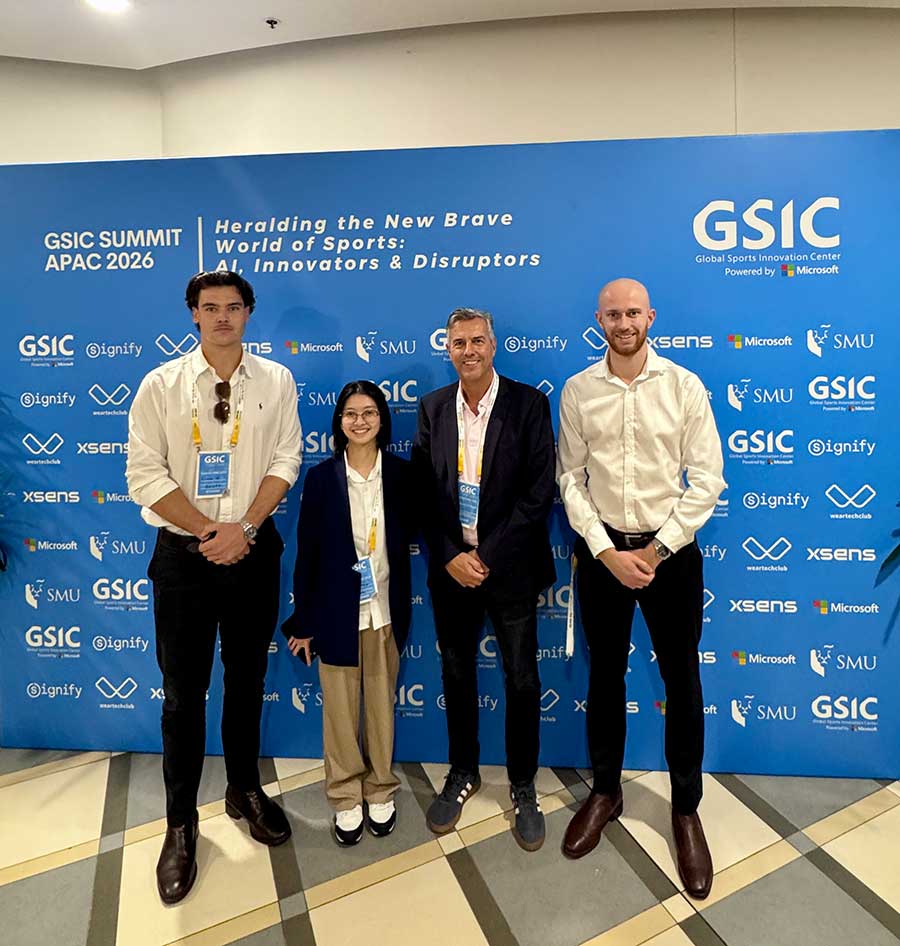
GSIC APAC Summit
Location: Singapore Management University (SMU)
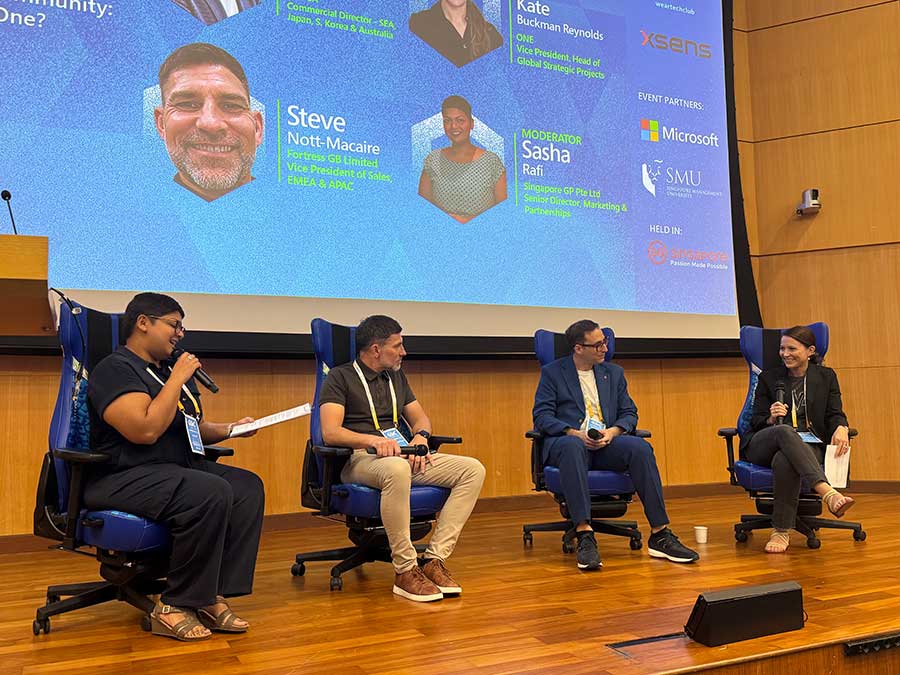
Moderated by Unmish Parthasarathi, Founder & Executive Director of Picture Board Partners, the panel explored how major events are more than the activities on the field-of-play. Speakers Anh Vo, COO of Sunrise Events Vietnam, Oscar Deroutte, Sports Lead APAC of Fever, Jitender Khurana, CEO of Signify and Yazed Osman, Group Head Events & Placemaking and Place Management of The Kallang Group discussed how major events now sit at the nexus of commercialisation, market expansion and social impact.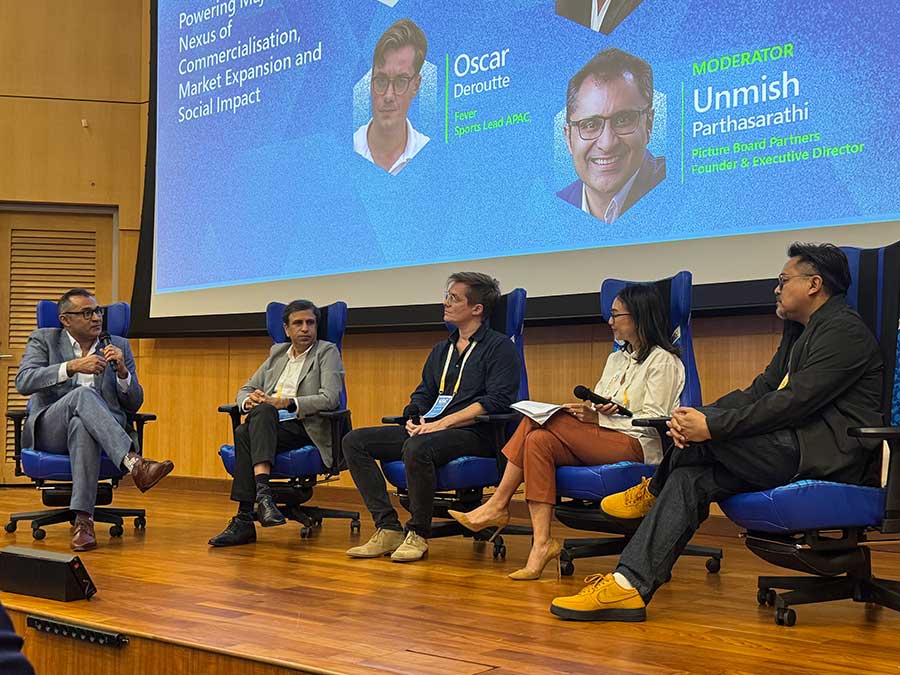
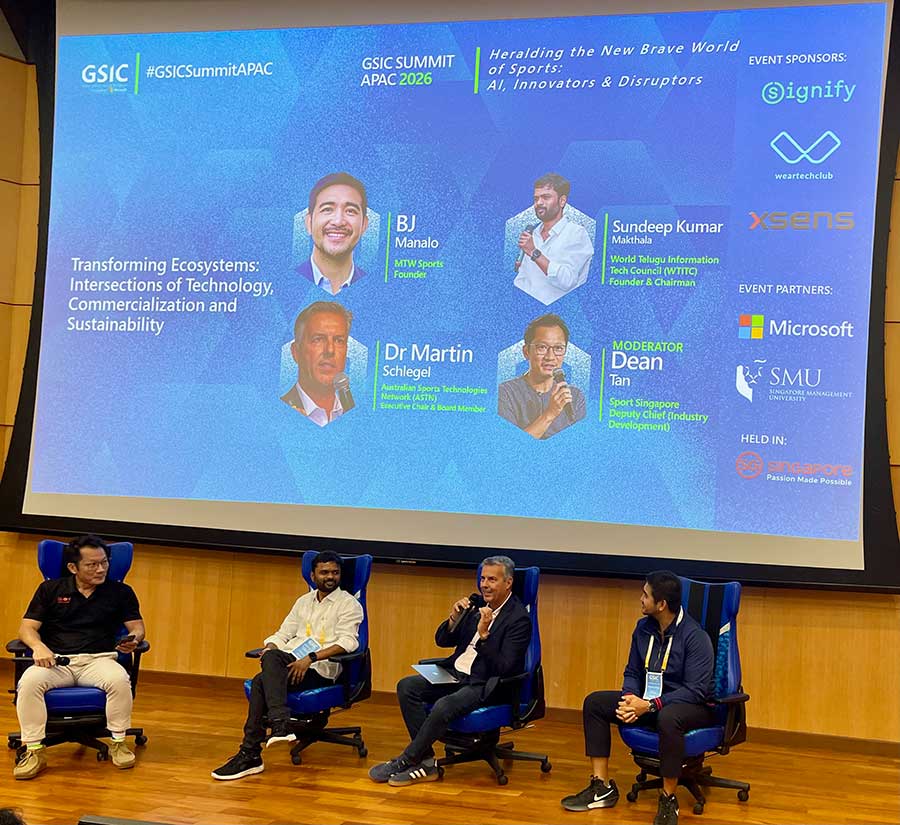
BJ Manalo, Founder, MTW Sports Management Services, Dr Martin Schlegel, Executive Chair & Board Member, Australian Sports Technologies Network (ASTN), Sundeep Kumar Makthala, Founder & Chairman, World Telugu Information Tech Council (WTITC) discussed with moderator, Dean Tan, Deputy Chief (Industry Development), Sport Singapore how ecosystems are transforming.
At the intersections of technology, commercialization and sustainability, ASTN pointed out the role of an innovation intermediary having to balance strategic fit with economic development KPI’s. Martin Schlegel also highlighted how multinational corporates can extend engagement beyond sponsorship into innovation partnerships using open innovation.
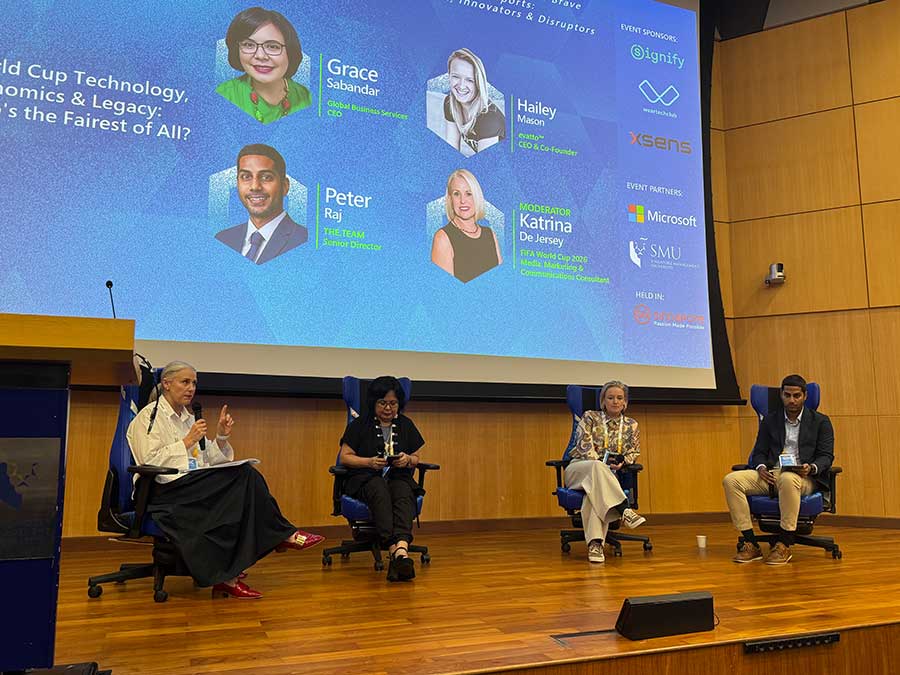
Moderator Katrina De Jersey, Media, Marketing & Communications Consultant for the FIFA World Cup 2026 explored together with Grace Sabandar, Founder, Global Sportainment Network, Peter Raj, Senior Director, THE.TEAM and Syndey-based Hailey Mason, CEO & Co-Founder, evatto, how technology at the World Cup can potentially create economic legacy.
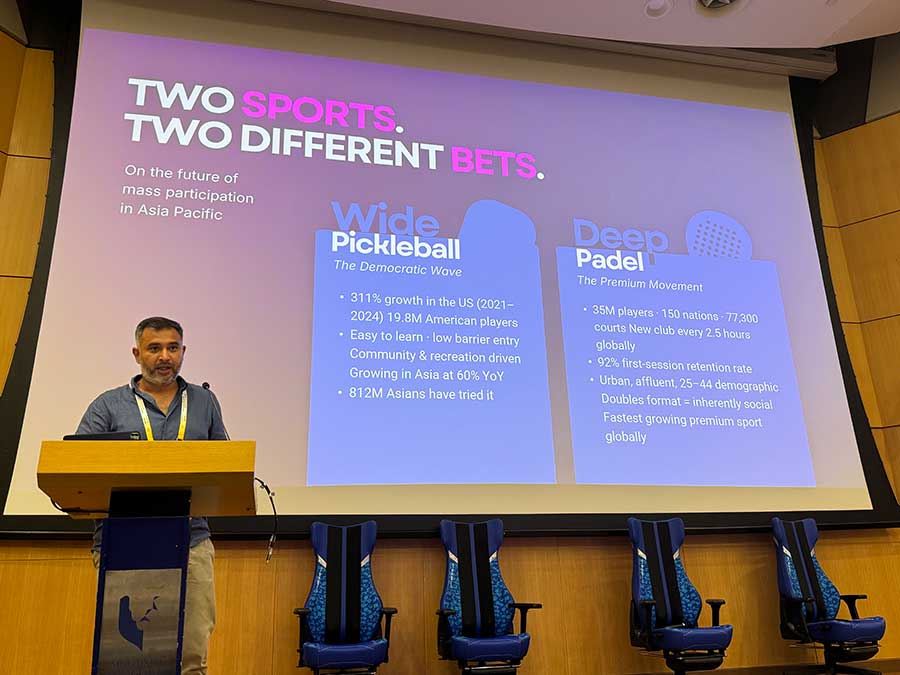
Pankaj Thapa, Head of Sales & Sponsorships, Asia Pacific Padel Tour presented on the market opportunities of padel and pickleball in Southeast Asia.
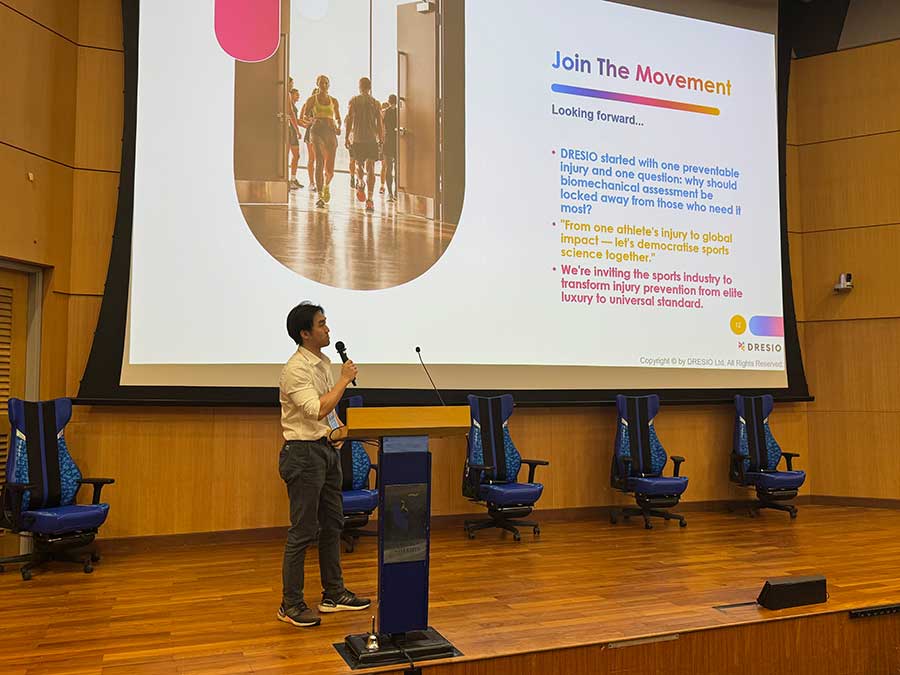
Curtis Wong, COO, Head of R&D showcased how DRESIO uses image recognition to derive biomechanics.
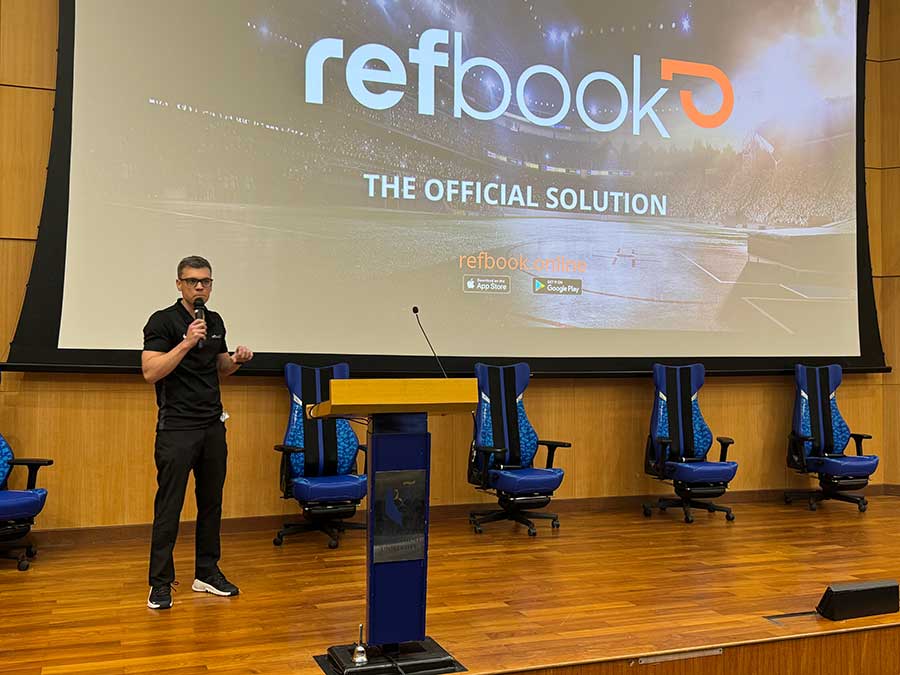
Jon Chapman, Co-Founder of refbook highlighted how to effectively manage and assign sports officials quicker, easier and more intelligently with simple, connected technology.
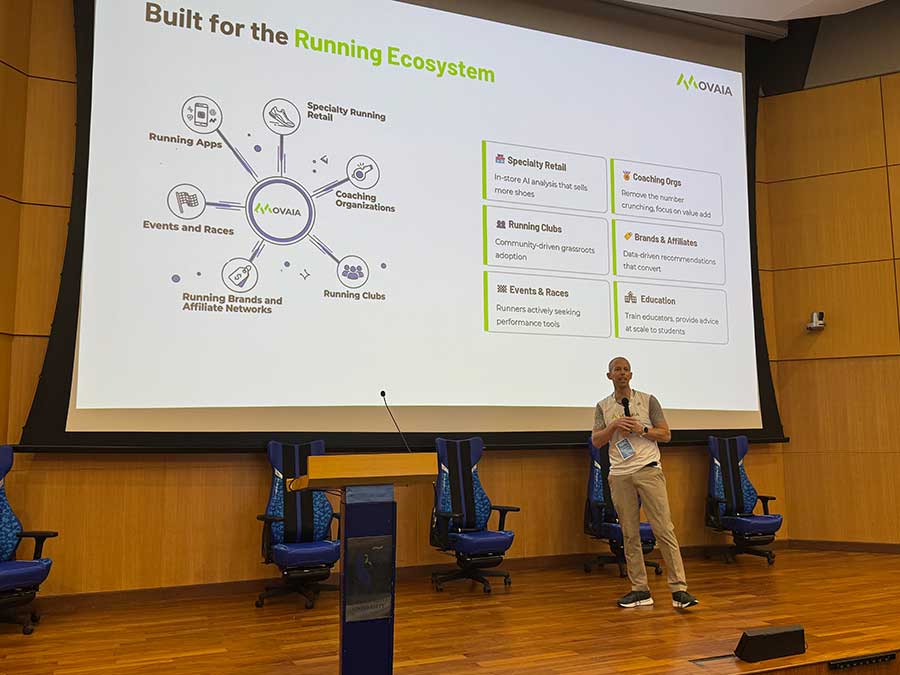
Thomas Butter, Founder & CEO of Movaia showed how image recognition can form running analysis to improve running styles and reduce injury risk.
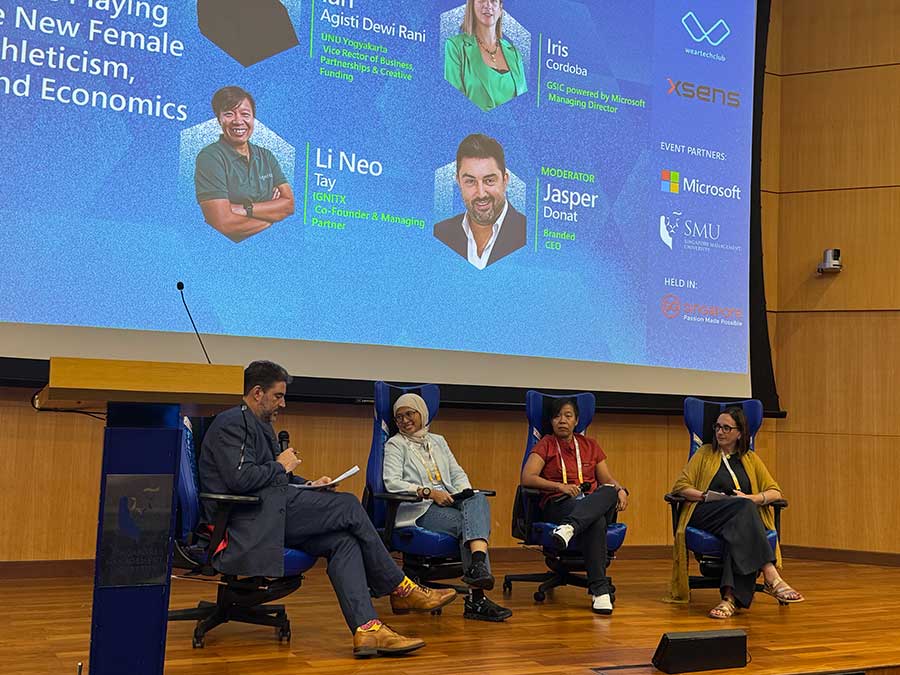
The final panel moderated by Jasper Donat, CEO of Branded explored how women in sport and business can level the playing field.
In discussion with Ian Agisti Dewi Rani, Vice Rector of Business, Partnerships & Creative Funding, UNU Yogyakarta, Li Neo Tay, Co-Founder & Managing Partner, IGNITX and Iris Cordoba, Managing Director, GSIC powered by Microsoft, gaps, barriers and opportunities in relation to the economics, performance and acceptance of women’s sport were explored.
-&-Iris-Córdoba-(Managing-Director).jpg)
-&-Iris-Córdoba-(Managing-Director)-and-Taiwan’s-APEC-Sports-Policy-Network-(ASPN).jpg)